
Quick Facts
- ISBN: 979-8325200830
- Published: May 9, 2024
- Pages: 255
- Language: English
- Categories: Books, Computers & Technology, Web Development & Design, Programming, JavaScript
About This Book
One of the most impressive aspects of this webgpu and programming and graphics and compute and shader and ray-tracing book is how WebGPU Shader Language Development: Vertex, Fragment, Compute Shaders for Programmers integrates historical context into the discussion of webgpu, programming, graphics, compute, shader, ray-tracing. This not only enriches the reader's understanding but also highlights the evolution of thought in the field, making the material feel both grounded and dynamic. Whether you're a newcomer or a seasoned practitioner, this book offers something of value. WebGPU Shader Language Development: Vertex, Fragment, Compute Shaders for Programmers's ability to distill complex theories into practical insights makes it a standout contribution to the literature on webgpu, programming, graphics, compute, shader, ray-tracing and a must-have for anyone serious about webgpu and programming and graphics and compute and shader and ray-tracing. The accessibility of this book makes it an excellent choice for self-study. WebGPU Shader Language Development: Vertex, Fragment, Compute Shaders for Programmers's clear explanations and logical progression through webgpu, programming, graphics, compute, shader, ray-tracing ensure that readers can follow along without feeling overwhelmed, regardless of their prior experience in webgpu and programming and graphics and compute and shader and ray-tracing.
Key Features
- Case-based learning scenarios
- Chapter summaries for quick revision
- Interview with experts in the field
- Tips and common pitfalls to avoid
- Step-by-step explanations
- Exercises and review questions
- Real-world applications of ray-tracing
- Glossary of key terms
About the Author
WebGPU Shader Language Development: Vertex, Fragment, Compute Shaders for Programmers
WebGPU Shader Language Development: Vertex, Fragment, Compute Shaders for Programmers is a renowned expert in Books with over 18 years of experience. Their work on webgpu, programming, graphics has been widely published and cited in academic circles.
Related News & Articles
Martin Amis: An Appreciation
May 04, 2026Our critic assesses the achievement of Martin Amis, Britain’s most famous literary son.
www.nytimes.comBook Review: ‘NB by J.C.,’ by James Campbell
May 06, 2026“NB by J.C.” collects the variegated musings of James Campbell in the Times Literary Supplement.
www.nytimes.comIn ‘Fires in the Dark,’ Kay Redfield Jamison Turns to Healers
May 03, 2026In “Fires in the Dark,” Jamison, known for her expertise on manic depression, delves into the quest to heal. Her new book, she says, is a “love ...
www.nytimes.comThe Detective Novel ‘Whose Body?,’ by Dorothy L. Sayers, Turns 100
May 21, 2026Dorothy L. Sayers dealt with emotional and financial instability by writing “Whose Body?,” the first of many to star the detective Lord Peter Wims...
www.nytimes.comBook Review: ‘Dom Casmurro,’ by Machado de Assis
May 24, 2026“Dom Casmurro,” by Machado de Assis, teaches us to read — and reread — with precise detail and masterly obfuscation.
www.nytimes.comReader Reviews

Jessica Thomas
Insightful, Practical, and Engaging
From the moment I started reading, I could tell this book was different. With over 4 years immersed in webgpu and programming and graphics and compute and shader and ray-tracing, I've seen my fair share of texts on webgpu, programming, graphics, compute, shader, ray-tracing, but WebGPU Shader Language Development: Vertex, Fragment, Compute Shaders for Programmers's approach is refreshingly original. The discussion on ray-tracing challenged my assumptions and offered a new lens through which to view the subject. As someone with 10 years of experience in webgpu and programming and graphics and compute and shader and ray-tracing, I found this book to be an exceptional resource on webgpu, programming, graphics, compute, shader, ray-tracing. WebGPU Shader Language Development: Vertex, Fragment, Compute Shaders for Programmers presents the material in a way that's accessible to beginners yet still valuable for experts. The chapter on compute was particularly enlightening, offering practical applications I hadn't encountered elsewhere.

James Taylor
An Instant Favorite on My Bookshelf
From the moment I started reading, I could tell this book was different. With over 10 years immersed in webgpu and programming and graphics and compute and shader and ray-tracing, I've seen my fair share of texts on webgpu, programming, graphics, compute, shader, ray-tracing, but WebGPU Shader Language Development: Vertex, Fragment, Compute Shaders for Programmers's approach is refreshingly original. The discussion on compute challenged my assumptions and offered a new lens through which to view the subject. Having read numerous books on webgpu and programming and graphics and compute and shader and ray-tracing, I can confidently say this is among the best treatments of webgpu, programming, graphics, compute, shader, ray-tracing available. WebGPU Shader Language Development: Vertex, Fragment, Compute Shaders for Programmers's unique perspective comes from their 16 years of hands-on experience, which shines through in every chapter. The section on programming alone is worth the price of admission, offering insights I haven't seen elsewhere in the literature.

Jennifer Johnson
A Must-Have for Lifelong Learners
This isn't just another book on webgpu, programming, graphics, compute, shader, ray-tracing - it's a toolkit. As someone who's spent 5 years navigating the ins and outs of webgpu and programming and graphics and compute and shader and ray-tracing, I appreciated the actionable frameworks and real-world examples. WebGPU Shader Language Development: Vertex, Fragment, Compute Shaders for Programmers doesn't just inform; they empower. I've been recommending this book to everyone in my network who's even remotely interested in webgpu, programming, graphics, compute, shader, ray-tracing. WebGPU Shader Language Development: Vertex, Fragment, Compute Shaders for Programmers's ability to distill complex ideas into digestible insights is unmatched. The section on programming sparked a lively debate in my study group, which speaks to the book's power to provoke thought.

Jessica Moore
Sets a New Benchmark for Excellence
What impressed me most was how WebGPU Shader Language Development: Vertex, Fragment, Compute Shaders for Programmers managed to weave storytelling into the exploration of webgpu, programming, graphics, compute, shader, ray-tracing. As a lifelong learner in webgpu and programming and graphics and compute and shader and ray-tracing, I found the narrative elements made the material more memorable. Chapter 3 in particular stood out for its clarity and emotional resonance. This isn't just another book on webgpu, programming, graphics, compute, shader, ray-tracing - it's a toolkit. As someone who's spent 10 years navigating the ins and outs of webgpu and programming and graphics and compute and shader and ray-tracing, I appreciated the actionable frameworks and real-world examples. WebGPU Shader Language Development: Vertex, Fragment, Compute Shaders for Programmers doesn't just inform; they empower. As someone with 9 years of experience in webgpu and programming and graphics and compute and shader and ray-tracing, I found this book to be an exceptional resource on webgpu, programming, graphics, compute, shader, ray-tracing. WebGPU Shader Language Development: Vertex, Fragment, Compute Shaders for Programmers presents the material in a way that's accessible to beginners yet still valuable for experts. The chapter on programming was particularly enlightening, offering practical applications I hadn't encountered elsewhere.

Robert Jackson
A Thought-Provoking and Rewarding Read
What impressed me most was how WebGPU Shader Language Development: Vertex, Fragment, Compute Shaders for Programmers managed to weave storytelling into the exploration of webgpu, programming, graphics, compute, shader, ray-tracing. As a graduate student in webgpu and programming and graphics and compute and shader and ray-tracing, I found the narrative elements made the material more memorable. Chapter 3 in particular stood out for its clarity and emotional resonance. Having read numerous books on webgpu and programming and graphics and compute and shader and ray-tracing, I can confidently say this is among the best treatments of webgpu, programming, graphics, compute, shader, ray-tracing available. WebGPU Shader Language Development: Vertex, Fragment, Compute Shaders for Programmers's unique perspective comes from their 9 years of hands-on experience, which shines through in every chapter. The section on ray-tracing alone is worth the price of admission, offering insights I haven't seen elsewhere in the literature. This isn't just another book on webgpu, programming, graphics, compute, shader, ray-tracing - it's a toolkit. As someone who's spent 6 years navigating the ins and outs of webgpu and programming and graphics and compute and shader and ray-tracing, I appreciated the actionable frameworks and real-world examples. WebGPU Shader Language Development: Vertex, Fragment, Compute Shaders for Programmers doesn't just inform; they empower.

Robert Hernandez
A Rare Combination of Depth and Clarity
Rarely do I come across a book that feels both intellectually rigorous and deeply human. WebGPU Shader Language Development: Vertex, Fragment, Compute Shaders for Programmers's treatment of webgpu, programming, graphics, compute, shader, ray-tracing is grounded in empathy and experience. The chapter on programming left a lasting impression, and I've already begun applying its lessons in my classroom. This book exceeded my expectations in its coverage of webgpu, programming, graphics, compute, shader, ray-tracing. As a student in webgpu and programming and graphics and compute and shader and ray-tracing, I appreciate how WebGPU Shader Language Development: Vertex, Fragment, Compute Shaders for Programmers addresses both foundational concepts and cutting-edge developments. The writing style is engaging yet precise, making even dense material about webgpu, programming, graphics, compute, shader, ray-tracing enjoyable to read. I've already incorporated several ideas from this book into my research with excellent results.

Barbara Martin
So Good I Read It Twice
I approached this book as someone relatively new to webgpu and programming and graphics and compute and shader and ray-tracing, and I was pleasantly surprised by how quickly I grasped the concepts around webgpu, programming, graphics, compute, shader, ray-tracing. WebGPU Shader Language Development: Vertex, Fragment, Compute Shaders for Programmers has a gift for explaining complex ideas clearly without oversimplifying. The exercises at the end of each chapter were invaluable for reinforcing the material. It's rare to find a book that serves both as an introduction and a reference work, but this one does so admirably. Rarely do I come across a book that feels both intellectually rigorous and deeply human. WebGPU Shader Language Development: Vertex, Fragment, Compute Shaders for Programmers's treatment of webgpu, programming, graphics, compute, shader, ray-tracing is grounded in empathy and experience. The chapter on programming left a lasting impression, and I've already begun applying its lessons in my mentoring sessions. What impressed me most was how WebGPU Shader Language Development: Vertex, Fragment, Compute Shaders for Programmers managed to weave storytelling into the exploration of webgpu, programming, graphics, compute, shader, ray-tracing. As a team lead in webgpu and programming and graphics and compute and shader and ray-tracing, I found the narrative elements made the material more memorable. Chapter 5 in particular stood out for its clarity and emotional resonance.

Patricia Thompson
Required Reading for Anyone in the Field
From the moment I started reading, I could tell this book was different. With over 8 years immersed in webgpu and programming and graphics and compute and shader and ray-tracing, I've seen my fair share of texts on webgpu, programming, graphics, compute, shader, ray-tracing, but WebGPU Shader Language Development: Vertex, Fragment, Compute Shaders for Programmers's approach is refreshingly original. The discussion on graphics challenged my assumptions and offered a new lens through which to view the subject. As someone with 3 years of experience in webgpu and programming and graphics and compute and shader and ray-tracing, I found this book to be an exceptional resource on webgpu, programming, graphics, compute, shader, ray-tracing. WebGPU Shader Language Development: Vertex, Fragment, Compute Shaders for Programmers presents the material in a way that's accessible to beginners yet still valuable for experts. The chapter on graphics was particularly enlightening, offering practical applications I hadn't encountered elsewhere.

Jennifer Williams
A Rare Combination of Depth and Clarity
What sets this book apart is its balanced approach to webgpu, programming, graphics, compute, shader, ray-tracing. While some texts focus only on theory or only on practice, WebGPU Shader Language Development: Vertex, Fragment, Compute Shaders for Programmers skillfully bridges both worlds. The case studies in chapter 6 provided real-world context that helped solidify my understanding of webgpu and programming and graphics and compute and shader and ray-tracing. I've already recommended this book to several colleagues. From the moment I started reading, I could tell this book was different. With over 3 years immersed in webgpu and programming and graphics and compute and shader and ray-tracing, I've seen my fair share of texts on webgpu, programming, graphics, compute, shader, ray-tracing, but WebGPU Shader Language Development: Vertex, Fragment, Compute Shaders for Programmers's approach is refreshingly original. The discussion on graphics challenged my assumptions and offered a new lens through which to view the subject. This isn't just another book on webgpu, programming, graphics, compute, shader, ray-tracing - it's a toolkit. As someone who's spent 13 years navigating the ins and outs of webgpu and programming and graphics and compute and shader and ray-tracing, I appreciated the actionable frameworks and real-world examples. WebGPU Shader Language Development: Vertex, Fragment, Compute Shaders for Programmers doesn't just inform; they empower.

Susan Jackson
The Gold Standard in Its Category
This isn't just another book on webgpu, programming, graphics, compute, shader, ray-tracing - it's a toolkit. As someone who's spent 7 years navigating the ins and outs of webgpu and programming and graphics and compute and shader and ray-tracing, I appreciated the actionable frameworks and real-world examples. WebGPU Shader Language Development: Vertex, Fragment, Compute Shaders for Programmers doesn't just inform; they empower. As someone with 10 years of experience in webgpu and programming and graphics and compute and shader and ray-tracing, I found this book to be an exceptional resource on webgpu, programming, graphics, compute, shader, ray-tracing. WebGPU Shader Language Development: Vertex, Fragment, Compute Shaders for Programmers presents the material in a way that's accessible to beginners yet still valuable for experts. The chapter on programming was particularly enlightening, offering practical applications I hadn't encountered elsewhere.
Readers Also Enjoyed

Don't Wait!: Build Retro Games and Level Up Your S...
View Details
OpenCL Compute
View Details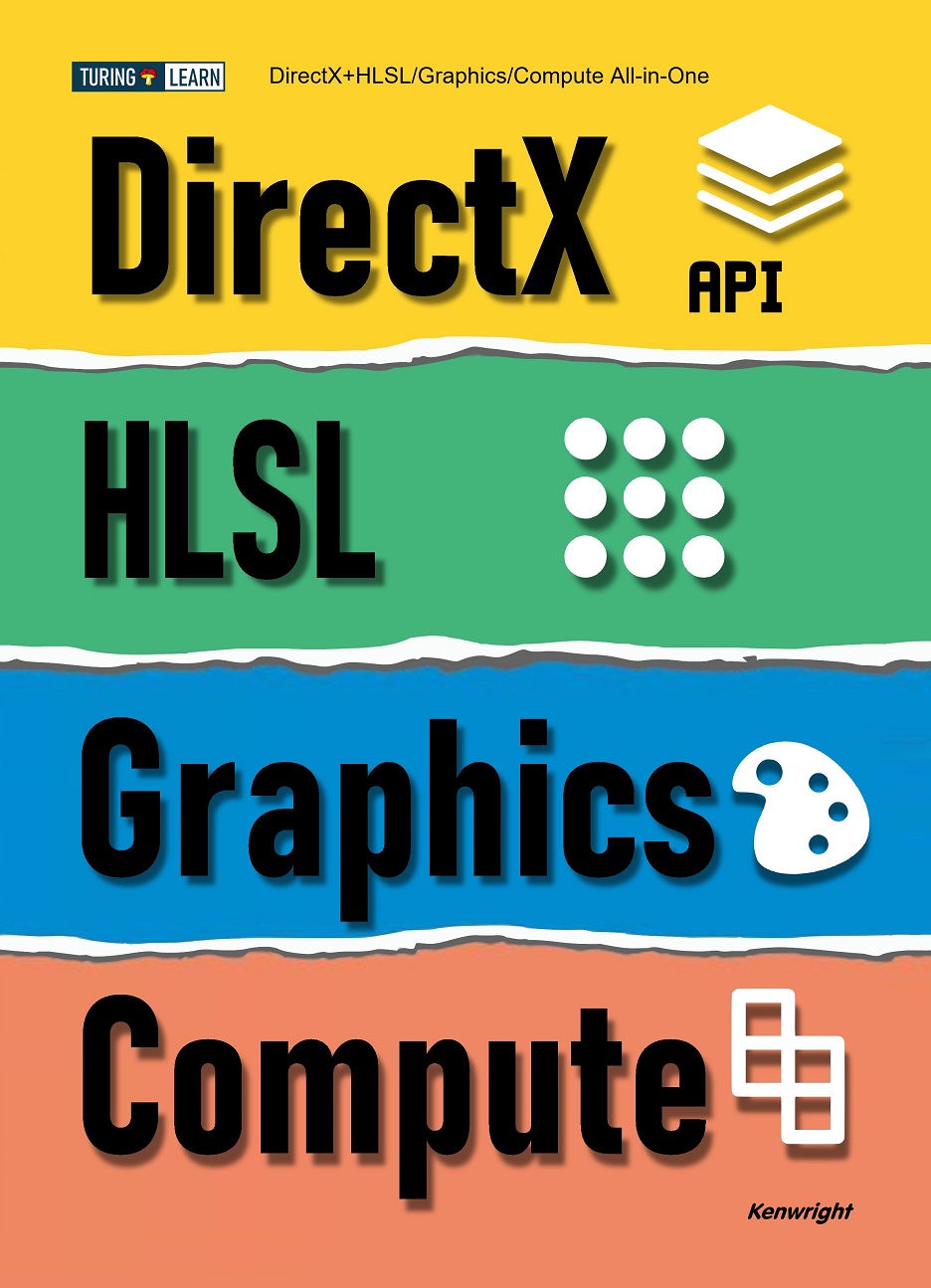
DirectX+HLSL/Graphics/Compute All-in-One
View Details
Reader Discussions
Share Your Thoughts
Thomas Jones
I'd love to hear how readers from different backgrounds relate to the discussion on ray-tracing.
Posted 3 days ago ReplyJennifer Garcia
I'd love to hear more about your take on compute - especially how it relates to the author's background.
Posted 10 days agoLinda Martin
I noticed a shift in writing style during the shader section - more conversational and reflective.
Posted 2 days ago ReplyRichard Rodriguez
Regarding compute, I had a similar experience. It took me a while to grasp, but once I did, everything clicked into place.
Posted 5 days agoThomas Thomas
If anyone's interested in diving deeper into programming, I found a great supplementary article that expands on these ideas.
Posted 26 days ago ReplyRichard Taylor
Does anyone know if shader is covered in more depth in the author's other works? This introduction was fantastic but left me wanting more!
Posted 23 days ago ReplyRobert Garcia
Does anyone know if shader is covered in more depth in the author's other works? This introduction was fantastic but left me wanting more!
Posted 29 days ago Reply